If you need someone to personally deliver a package overseas, the stakes are usually high. Here’s what businesses must understand before choosing a hand-carry or on-board courier solution—and how to avoid the most common, expensive mistakes.
Most international shipments can wait a few days.
But when you need someone to personally deliver a package overseas, it’s rarely routine. It’s usually because something has already gone wrong—or because the cost of delay is too high to accept.
We see it every week: grounded aircraft waiting on a critical component, medical teams expecting life-saving devices, legal teams facing filing deadlines, production lines stalled over one missing part. In these situations, standard courier networks simply aren’t designed for the level of control required.
If you’re considering a personal hand-carry courier, here’s what you need to know to protect your shipment, your timeline, and your reputation.
Not every urgent shipment requires a dedicated courier flying with it. But certain scenarios make it the safest and fastest option.
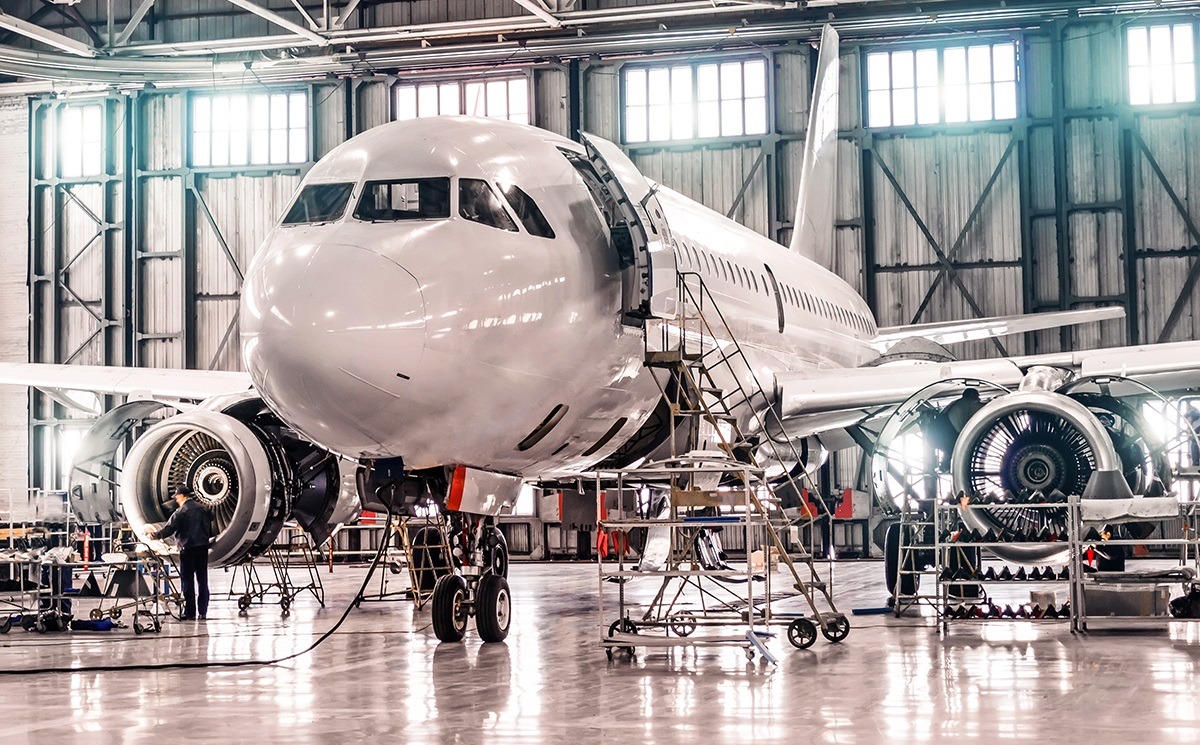
In aviation (AOG), automotive manufacturing, oil & gas, and mining, one missing part can cost tens or hundreds of thousands of dollars per hour. Waiting for standard express freight—while it moves through hubs and transfers—simply isn’t viable.
Original contracts. Regulatory paperwork. Prototypes. Specialized medical components. If it cannot be duplicated easily, placing it into a bulk logistics network introduces unnecessary exposure.
In document-sensitive industries, knowing exactly who handled the shipment—and when—can be legally or commercially critical. A professional on-board courier maintains direct custody from pickup to handover.
Same-day international delivery is possible—but only when someone physically boards the next available flight and travels with the package.
Large courier networks are efficient. They’re optimized for scale. But they rely on sorting hubs, scheduled transfers, and automated processes.
That system works beautifully—until something must bypass it.
When a shipment moves through multiple facilities, each handoff introduces potential delay: customs holds, flight re-routing, mechanical issues, congestion, labeling errors. Most of the time, those risks are small. When stakes are high, small risks become unacceptable.
A personal courier model removes most of those transfer points. The shipment travels as cabin baggage, under direct supervision, on the fastest available route.
If you’ve never arranged it before, the process may sound complicated. In reality, when handled correctly, it’s surprisingly streamlined.
The courier provider evaluates:
- Pickup location and time
- Destination and delivery window
- Size, weight, and nature of the item
- Customs requirements
- Available commercial flights
The goal is simple: identify the fastest legally compliant route.
A trained on-board courier is dispatched—often within hours. This person does not manage multiple shipments. They are assigned exclusively to yours.
The courier collects the shipment personally, verifies documentation, and proceeds directly to the departure airport.
The package travels in-cabin whenever possible, maintaining visibility and control throughout the journey.
At destination, the courier clears customs (when required) and delivers directly to the named recipient—obtaining proof of delivery and confirmation.
There are no warehouse stops. No conveyor belts. No anonymous handoffs.
Many companies try standard express first. When delays occur, they then switch to emergency solutions. By that point, flight options may be limited.
If downtime costs are severe, escalate immediately rather than "trying and hoping."
Even the fastest courier cannot bypass customs regulations. Missing paperwork can destroy a tight delivery window.
Experienced providers prepare documentation before departure and flag potential clearance risks early.
Hand-carry courier services are not commodity services. Expertise, global reach, and 24/7 coordination matter more than minor price differences.
When you’re solving a six-figure operational problem, saving a small percentage on the courier fee is rarely the smart move.
In time-critical logistics, visibility reduces stress and improves decision-making. GPS-enabled real-time updates allow stakeholders to plan around confirmed arrival times.
Aircraft on ground situations demand immediate action. A single grounded aircraft can cost massive sums per hour. Personal delivery ensures the part arrives on the first viable flight.
Time-sensitive diagnostic equipment, transplant materials, and specialized devices often require strict handling and rapid delivery.
Production lines run on tight sequencing systems. One missing component can stop an entire facility.
Original signed contracts, compliance documentation, and regulatory filings sometimes must cross borders physically.
Remote project sites frequently require specialized parts that cannot wait for standard freight cycles.
When evaluating a provider, ask:
- How quickly can a courier be deployed?
- Do you operate 24/7 globally?
- How is chain of custody documented?
- What customs support is included?
- Is real-time GPS tracking provided?
- What contingency plans exist if flights are disrupted?
A serious provider will answer clearly and confidently.
Yes, personal international delivery costs more than standard shipping. You are effectively chartering human time, airline capacity, and rapid coordination.
But cost must be measured against impact.
If a halted production line costs $80,000 per hour and a courier resolves the issue in 10 hours instead of 36, the financial logic becomes obvious.
Emergency logistics is rarely about the cheapest option. It’s about the least risky solution.
On paper, the process seems straightforward: book flight, carry package, deliver.
In reality, experienced couriers anticipate complications others don’t:
- Border-specific import nuances
- Transit visa requirements
- Airline cabin restrictions
- Time zone coordination errors
- Local transport bottlenecks at destination
Small oversights in international logistics create big consequences. That’s why experience—not just speed—is critical.
If you’re searching because you need someone to personally deliver a package overseas, chances are you’re under pressure.
The right solution should reduce that pressure—not add to it.
A professional on-board courier service combines:
- Immediate response
- Global flight access
- Dedicated hand-carry transport
- Real-time visibility
- Direct door-to-door delivery
That combination is what turns a potential crisis into a controlled operation.
When time is critical and the shipment cannot fail, personal overseas delivery is often the safest path forward.
But success depends on preparation, experience, and decisive action.
If you’re facing an urgent situation—or want to establish a contingency plan before one happens—work with a provider that operates globally, responds 24/7, and understands the industries where delays are not acceptable.
Express OBC specializes in premium on-board courier solutions across 200+ countries, with same-day delivery options, real-time GPS tracking, and immediate deployment when every hour counts.
If your shipment cannot wait, don’t leave it to chance. Contact Express OBC now to arrange a dedicated personal courier and move your critical package with speed, security, and certainty.